Mimosa Tree Removal in San Jose, CA
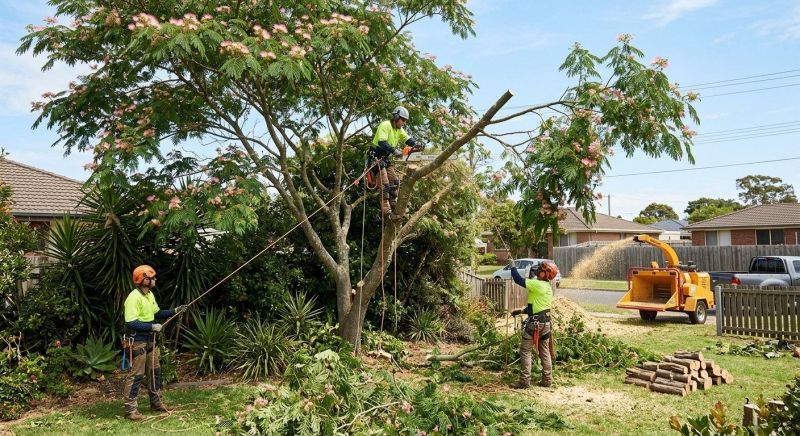
Mimosa Tree Removal services involve the safe and efficient elimination of mature or unwanted mimosa trees from residential properties. This service covers a variety of projects, including removing diseased or damaged trees, clearing space for new landscaping, or managing overgrown or invasive trees that may pose safety concerns. Property owners typically want to understand the scope of removal, the potential impact on their landscape, and any necessary preparation steps before scheduling the work.
Before requesting mimosa tree removal, homeowners should consider factors such as the size and location of the tree, proximity to structures or utilities, and any local regulations or permits that may apply. It’s also helpful to evaluate the condition of the tree and whether removal is the most appropriate action or if alternative solutions like trimming or pruning might be suitable. Clear communication about these details can ensure the process is smooth and aligns with property management goals.
Many property owners in San Jose, CA look into Mimosa Tree Removal for repairs, replacements, upgrades, and appearance-related improvements.
Reasons To Remove A Mimosa Tree
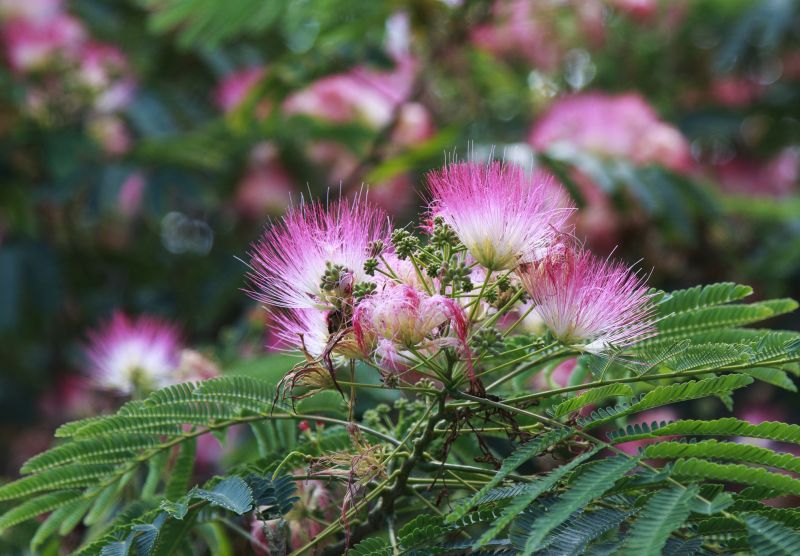
Removing a mimosa tree can improve safety and prevent property damage in san jose neighborhoods.
Signs A Mimosa Tree Needs Removal
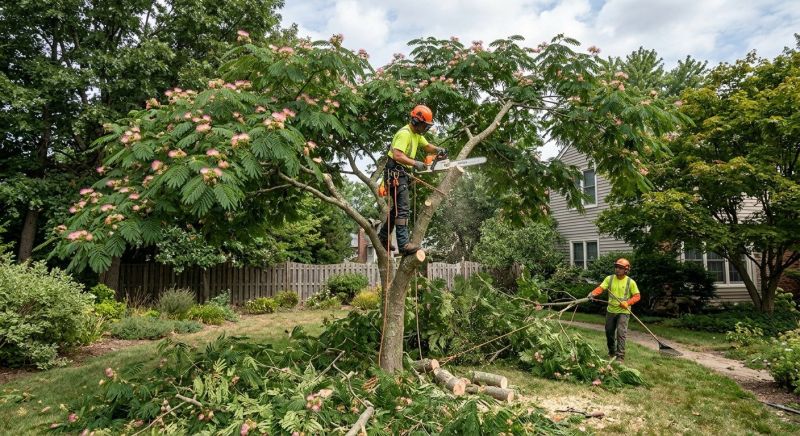
Unhealthy growth, root issues, or proximity to structures are common reasons for tree removal.
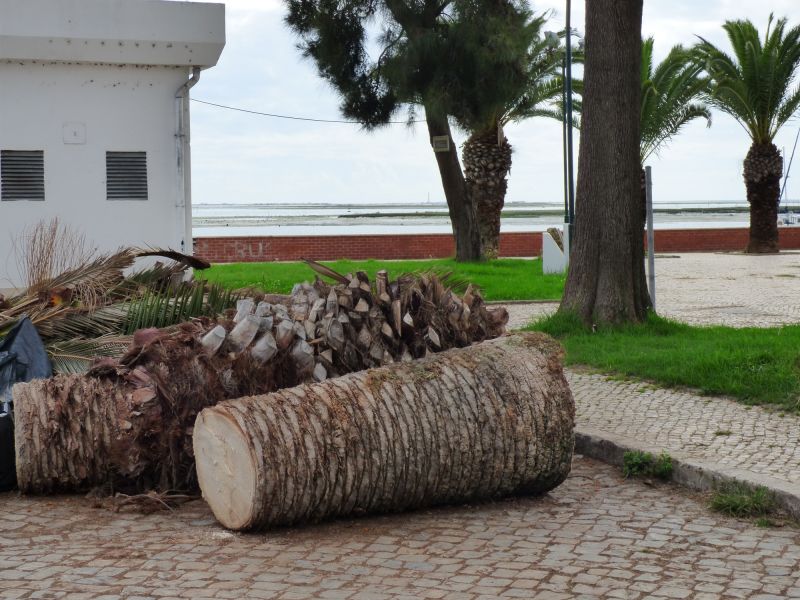
Considerations For Tree Removal Projects
Proper planning ensures safety and minimizes impact on surrounding landscape during the removal process.
Mimosa Tree Removal in San Jose, CA
Mimosa Tree Removal services involve the safe and efficient elimination of mature or unwanted mimosa trees from residential properties. This service covers a variety of projects, including removing diseased or damaged trees, clearing space for new landscaping, or managing overgrown or invasive trees that may pose safety concerns. Property owners typically want to understand the scope of removal, the potential impact on their landscape, and any necessary preparation steps before scheduling the work.
Before requesting mimosa tree removal, homeowners should consider factors such as the size and location of the tree, proximity to structures or utilities, and any local regulations or permits that may apply. It’s also helpful to evaluate the condition of the tree and whether removal is the most appropriate action or if alternative solutions like trimming or pruning might be suitable. Clear communication about these details can ensure the process is smooth and aligns with property management goals.
Many property owners in San Jose, CA look into Mimosa Tree Removal for repairs, replacements, upgrades, and appearance-related improvements.
Common Mimosa Tree Removal Jobs
Mimosa Tree Removal - Removal services address overgrown or damaged trees to improve property safety.
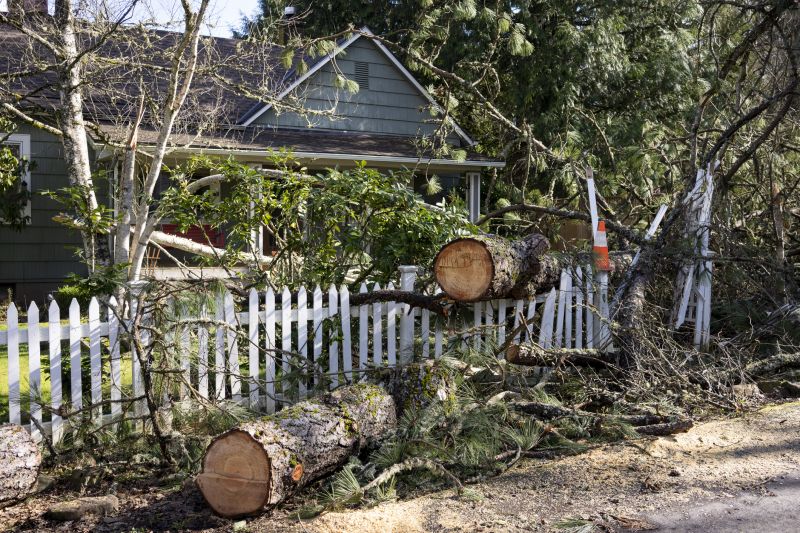
Emergency Tree Removal - Quick response for fallen or hazardous mimosa trees that pose immediate risks.
Selective Tree Thinning - Reduces tree density to promote healthy growth and prevent structural issues.
Stump Grinding - Complete removal of tree stumps after mimosa trees are cut down to prevent regrowth.
Tree Crown Reduction - Trimming to reduce the size of mimosa trees while maintaining their shape.
Root Removal - Excavation of invasive roots to protect nearby structures and landscaping.
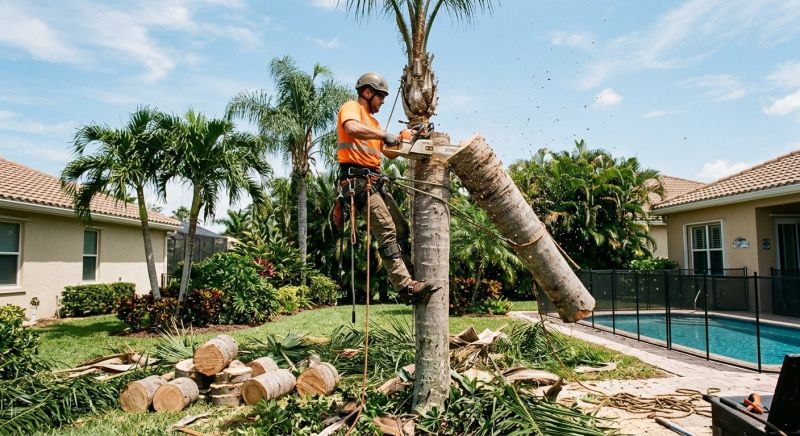
Mimosa Tree Removal Questions
Why remove a Mimosa Tree? Removal may be necessary if the tree shows signs of disease, poses a safety risk, or is causing property damage.
What are common reasons for removing a Mimosa Tree? Typical reasons include overgrowth, dead or dying branches, or conflicts with nearby structures.
How is Mimosa Tree removal performed? The process involves carefully cutting and hauling away the tree to prevent damage to surrounding property.
When should a Mimosa Tree be removed? Removal is often considered when the tree is unhealthy, structurally compromised, or obstructs views or utilities.
Request Mimosa Tree Removal in San Jose, CA
Use the quote form on this page to share the basics of your project and request more information for the type of work you need.